
This article may contain affiliate links; Meow Howl may earn a small commission at no cost to you.
A new kitten is pure joy, and a lot of tiny chaos. A little preparation makes the first week smoother for both of you. Here’s everything to have ready, how to kitten-proof, and what those first few days should look like. (Adopting a rescue in the Gulf? Our vet’s guide to rescuing a street cat in Dubai will help.)
The shopping checklist
Feeding
- Kitten food (ideally the same brand the breeder/shelter used, to avoid tummy upset)
- Food and water bowls (shallow, and kept apart from each other)
- Consider a water fountain to encourage drinking
Litter
- A litter tray with low sides so a kitten can climb in
- Unscented, kitten-safe litter (avoid clumping clay for very young kittens who may eat it)
- A scoop and a litter mat
Rest & safety
- A cosy bed and a warm, quiet spot to retreat to
- A carrier for vet trips (leave it out so it becomes familiar)
Play & scratching
- A scratching post (redirect claws from day one, see how to stop scratching furniture)
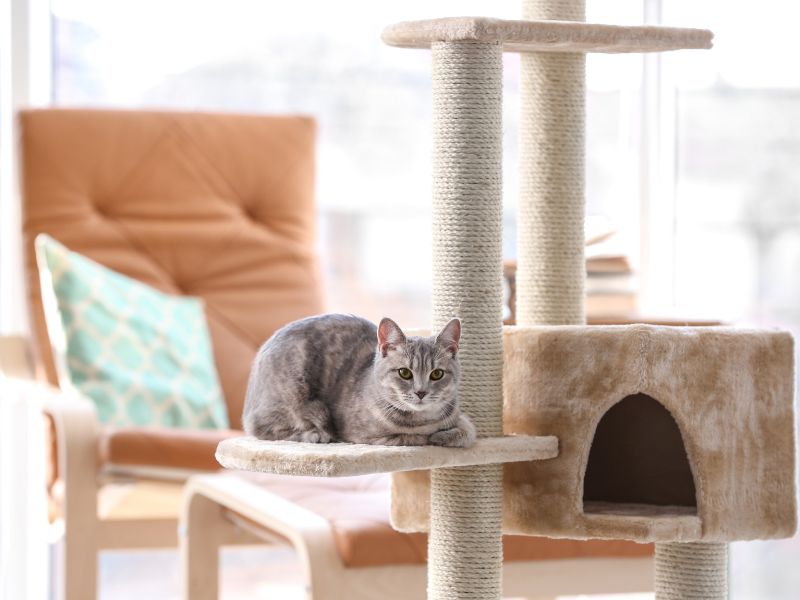
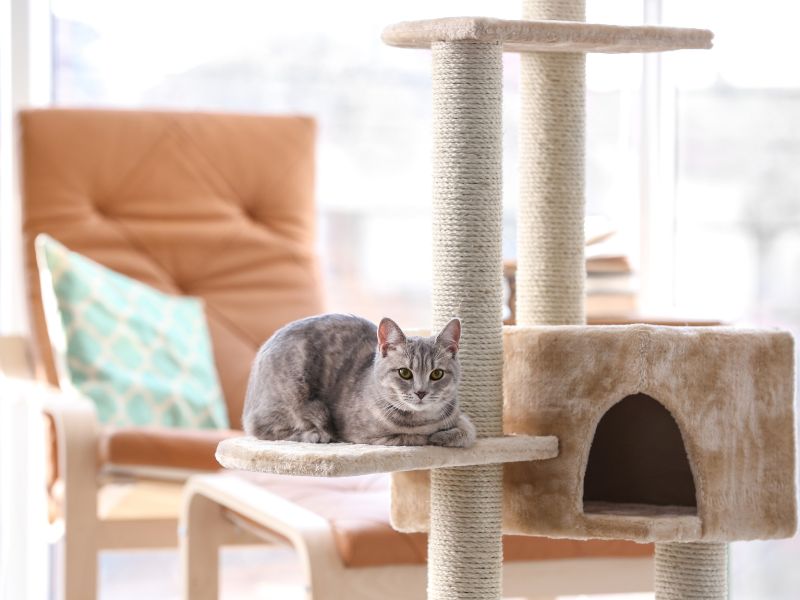
- A cat tree or perch for climbing and watching
- Safe toys, wand teasers, balls, and puzzle feeders
Grooming
- A soft brush suited to the coat, plus kitten-safe nail clippers
Kitten-proof your home
Kittens are curious and tiny, they get everywhere:
- Tuck away cables, cords and blind pulls (strangulation and chewing hazards).
- Remove or secure toxic plants (lilies are deadly to cats), cleaning products and medications.
- Block gaps behind appliances and under furniture.
- Keep small swallowable items (hair ties, string, rubber bands) out of reach.
- Check washing machines, tumble dryers and reclining chairs before use, kittens hide in the worst places.
The first week: start small
- Confine to one room at first. A single cosy room with food, water, litter, bed and toys is far less overwhelming than the whole house. Expand their world gradually.
- Keep it calm and quiet, limit visitors and noise for a few days.
- Let them come to you. Sit on the floor, let them explore and approach at their own pace.
- Start good habits, scratching post, gentle handling, and getting them used to the carrier.
- Keep litter, food and bed separate, and show them where the tray is.
Sort these vet basics early
- Book a first vet check soon after they arrive.
- Vaccinations and worming, confirm the schedule; kittens need a course.
- Microchipping and (later) neutering, discuss timing with your vet.
- Flea and parasite prevention suited to a kitten’s age and weight.
The bottom line
Have the essentials ready before your kitten arrives, food, bowls, litter tray, bed, carrier, scratching post and safe toys, kitten-proof thoroughly, then start them in one calm room and expand slowly. Add an early vet visit and lots of gentle, patient time, and you’ll give your kitten the best possible start.
🐾 The Meow Howl newsletter
Vet-backed pet tips, in your inbox
Join fellow dog & cat parents. Practical, vet-led advice and new tools, no spam, unsubscribe anytime.