As a veterinary surgeon, I’ve been working with felines for well over a decade, and have met cats of all shapes, sizes, colours and personalities. When choosing a pet there’s a lot to consider, size, breed, sex, temperament and more. One of the most important factors is your home environment. Different cat breeds have varying requirements and personality traits, which make some more suited to indoor living than others.
Read on for my thoughts on the best cat breeds for apartment life.
Best cat breeds to keep indoors
The breeds most suitable for apartment living tend to thrive on human companionship rather than adventurous exploration, have calm, easy-going personalities, and have low or moderate exercise requirements.
All pet cats, even these quieter breeds, still need plenty of time, attention and a suitable environment, with lots of enrichment, regular playtime and social interaction.
Persian
All cats love to nap, but these fluffy felines are the absolute masters of sleeping. Happy to curl up for hours, these docile cats are usually content to stay indoors in a comfy bed. They enjoy human company but aren’t hugely demanding and rarely suffer from separation anxiety.
British Shorthair
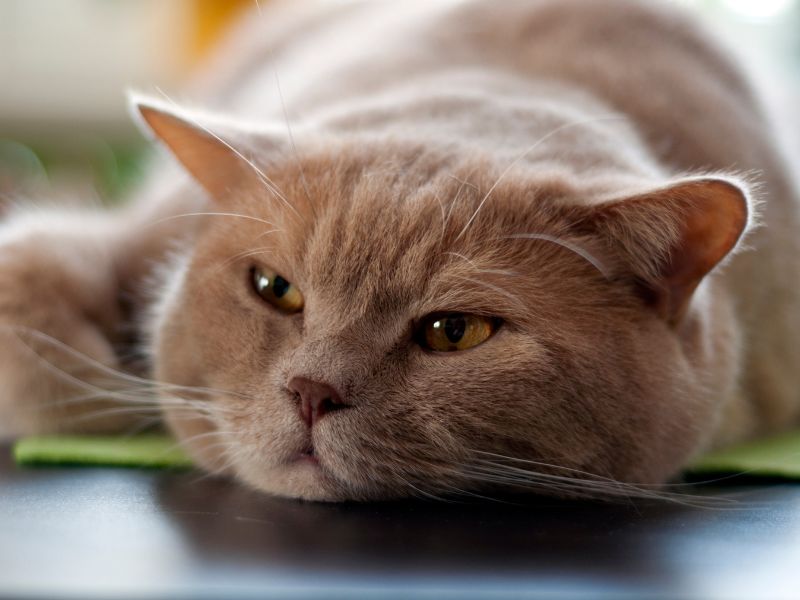
Calm and unflappable, these gorgeous cats have great personalities for apartment life. Laid-back and somewhat lazy, they love a cosy spot, but they’re intelligent, so do offer playtime and puzzles.
Maine Coon
The gentle giants of the feline world are often friendly and great with children and other pets. They grow large, up to around 10kg!, but their relaxed, tolerant natures make them very adaptable.
Exotic Shorthair
Often called the short-haired Persian, these chilled-out kitties are similarly happy to doze on your lap rather than explore the outdoors.
Ragdoll
Super-friendly cats that form very strong bonds with their humans and love a lap cuddle. Fairly active, they’re happy to play with toys and follow you around the apartment all day.
Birman
Another affectionate breed, Birmans are often real lap cats, preferring to curl up with their favourite human. They’re sociable and playful, so plenty of toys is a must.
Russian Blue
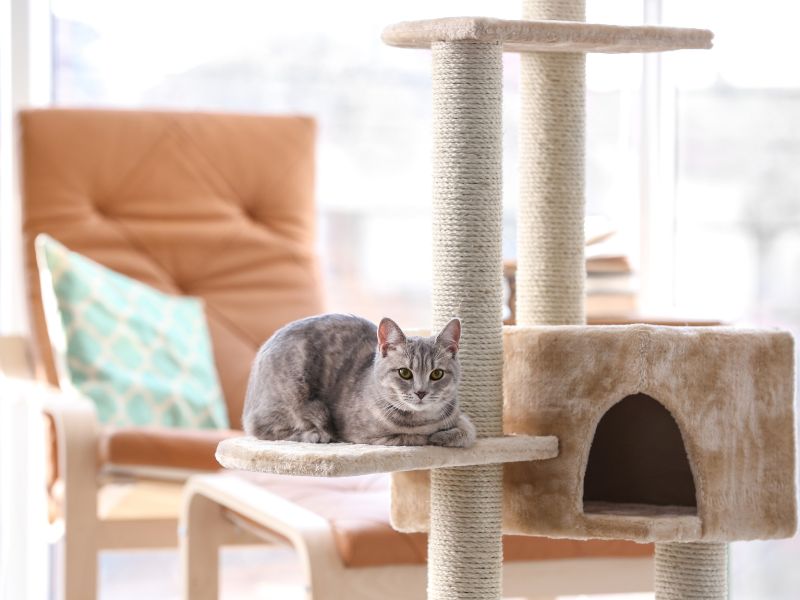
These quiet kitties can be a little aloof and content in their own company. They’re competent climbers who like to survey their territory, so a cat tree or accessible high perch is recommended.
Breeds to avoid
Some cats are less suited to apartment living. Siamese and Bengal cats are both known for high levels of vocalisation, which may be a problem in an apartment complex. Bengals are also very active, along with Abyssinians, Savannah and Siberian cats, and may become frustrated in a smaller space.
Top tips for feline apartment living
Basic needs
All cats need water bowls, food dishes, a litter tray and a comfy bed. Cats prefer their food, water and litter box to be some distance apart to prevent contamination, a challenge in a small apartment. Cats also like to sleep up high, so an accessible, safe perch is much appreciated.
Bond with them
Cats need social interaction. If your cat is a sole pet, offer plenty of companionship. Every cat bonds differently, some love cuddles, others playtime, grooming or treats. It’s a worthwhile investment for both of you. If you have other pets, introduce them slowly, starting with scent only.
Enrichment
Indoor cats are more prone to boredom, which can lead to frustration and aggression. Provide puzzle feeders, toys, scratching posts, cat trees and high perches to fill your cat’s day with fun and mental stimulation. You can even buy indoor cat grass, which is much safer than your houseplants!
Final thoughts
All cats are individuals, but certain breeds are more likely to show certain traits. The Persian, British Shorthair, Exotic Shorthair, Birman, Maine Coon, Ragdoll and Russian Blue are generally well suited to apartment life for their easy-going natures, lower exercise needs and cuddly personalities. Even so, these calmer cats still need plenty of resources, toys, cat trees and scratching posts, to stay mentally and physically stimulated.

🐾 The Meow Howl newsletter
Vet-backed pet tips, in your inbox
Join fellow dog & cat parents. Practical, vet-led advice and new tools, no spam, unsubscribe anytime.