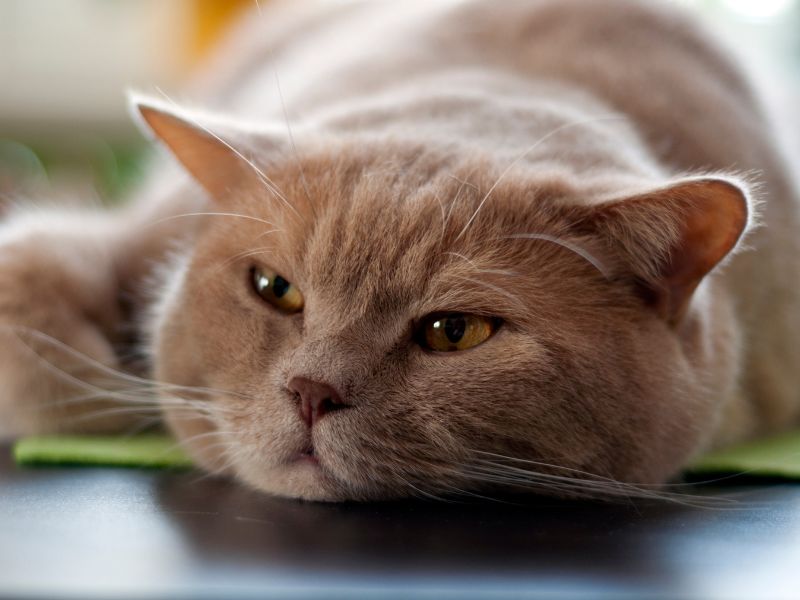
Any cat owner can tell you that their cat’s mood changes frequently. Sometimes we know why they are down, and other times we are left guessing. Our feline friends can be sensitive to life’s changes and suffer changes in mood just like their human family. Cats don’t show emotions as overtly as some other species and tend to withdraw and become quieter when they’re sad. Naturally, we want our pets to be happy, so let’s find out why cats get depressed, and how to spot the subtle signs of sadness.
Signs of a depressed cat
Body language
Cats are subtle and complicated in how they communicate. A stressed or sad cat may adopt a posture low to the ground to hide away, with ears flat against the head and wide, dilated pupils.
Sleeping more than usual
Cats sleep a lot, so excessive sleeping is hard to judge. But a change in sleeping habits, especially outside normal seasonal variation, or moving their favourite nap spot, can signal stress or sadness.
Poor grooming
Grooming is essential for coat maintenance and scent distribution. Some cats overgroom when stressed; others withdraw and groom less when depressed. Pain can also change grooming patterns, so if it persists, see your vet.
Aggression or fear
Out-of-character behaviour, being more reactive, hissing or swiping at people or other cats, can indicate a cat feeling less tolerant or sad.
No interest in activities
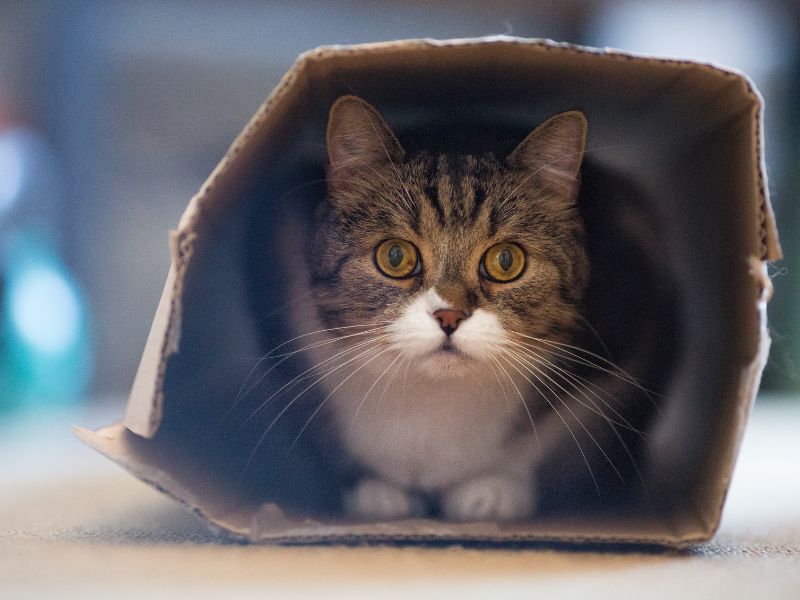
Depressed cats hide away and interact less, may lose interest in toys or games, and can become quiet or clingier.
Changes in appetite
Sad or stressed cats may eat less or change feeding habits, such as only eating at night. As a rule, cats dislike sharing food and water bowls and prefer a quiet, secluded place to eat.
Why cats get depressed
Illness
Cats can’t tell us when they’re sick. When unwell they show subtle signs, appetite changes, hiding, interacting less, lethargy, which overlap with sadness. If signs persist or you’re concerned, see your vet promptly.
Stress
Cats have complex social structures and territories. Sudden changes, new pets, new cats in the neighbourhood, building work, moving house, or being confined indoors with too few hiding places or litter trays, can be very stressful.
Grief
Cats grieve the loss of loved ones, human or animal. For most, this is temporary and they recover over time.
How to help your depressed cat
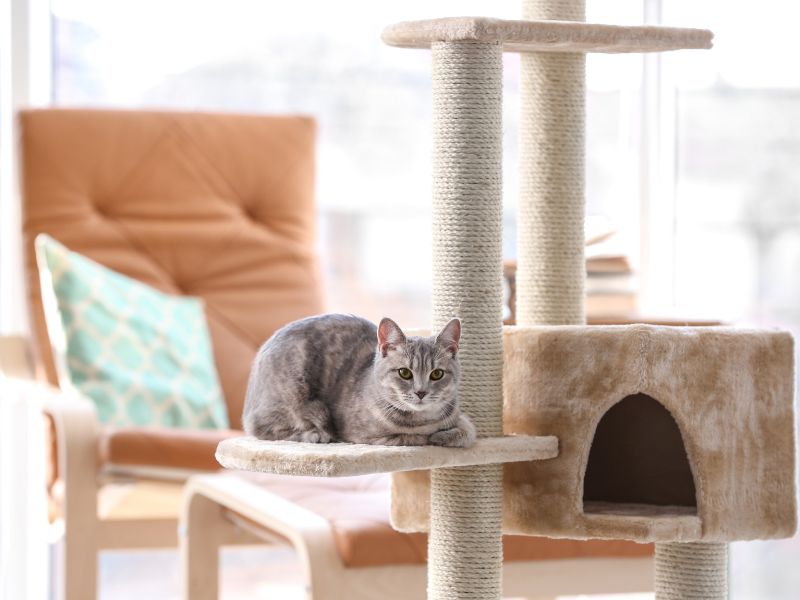
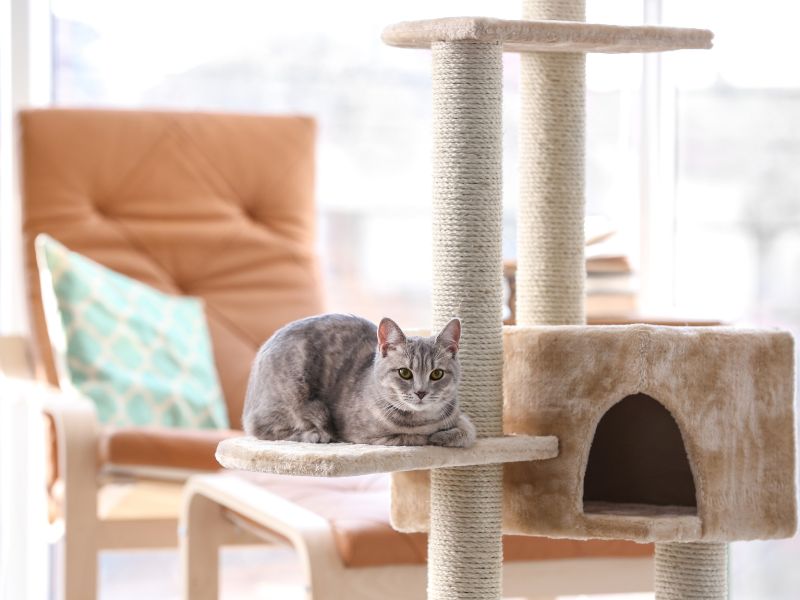
Cats love routine, so keep meals and playtime on a schedule. Provide separate areas for feeding, toileting, sleep and play, and several hiding spots for quiet time. In multi-cat homes, divide the territory so each cat has its own feeding station and litter area. A feline pheromone spray can help reduce stress, especially around changes. Above all, spend quality time with your cat, sit with them, play, and groom, but never force affection.
Conclusion
Cats are emotional and can get stressed or depressed, and the signs are subtle. Because illness can look the same, persistent signs of sadness, or changes to appetite, routine or activity, always warrant a veterinary check to rule out pain or physical illness.

🐾 The Meow Howl newsletter
Vet-backed pet tips, in your inbox
Join fellow dog & cat parents. Practical, vet-led advice and new tools, no spam, unsubscribe anytime.