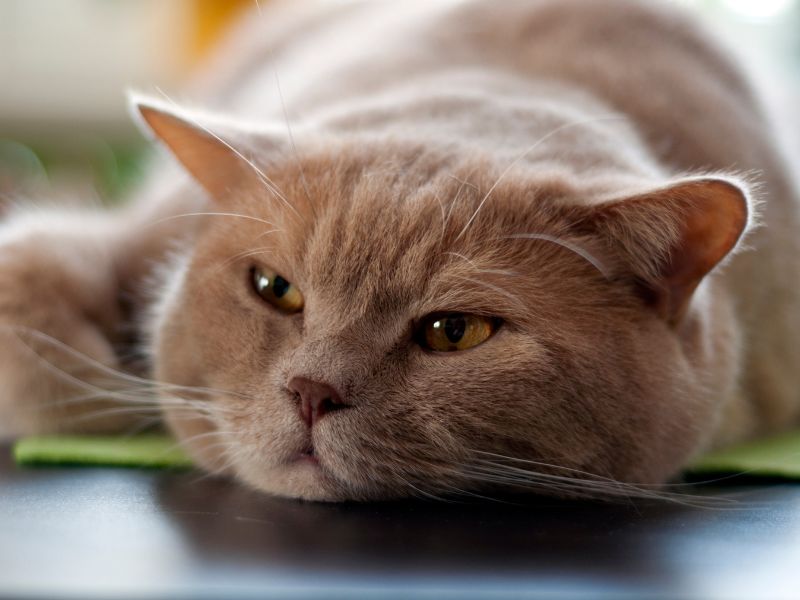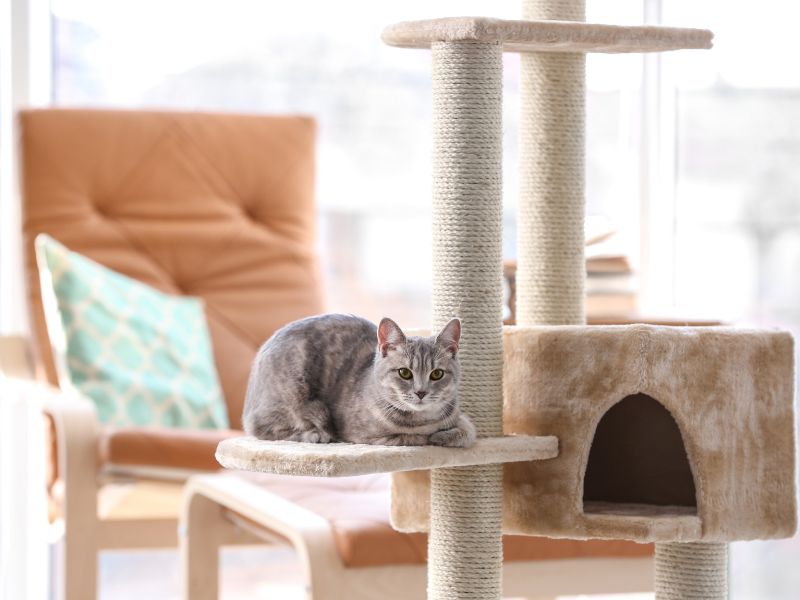
Keeping a cat in Dubai has its perks, sunny days and stunning surroundings to name a few. But the wonderful weather can be a challenge for some cats, especially at peak temperatures. The hottest months are usually June to August, when over 43°C is common; in June 2021, temperatures over 50°C in the shade were recorded. Add humidity that can reach 90%, which makes it harder to lose body heat, and even the coolest cat can feel frazzled.
Why should I keep my cat cool?
Although pet cats descend from desert animals, they are definitely not immune to overheating, especially with the double whammy of high heat and humidity.
Cats aren’t sweaty enough. Cats only sweat from their paw pads, too little to cool down quickly. As they heat up they lick their coat (damp fur mimics sweating), which means drinking much more water. If that isn’t enough, they’ll start panting like a dog. A little panting after a mad dash is normal, but panting in warm weather is a warning sign of overheating, don’t ignore it.
Is my cat at risk?
Any cat can overheat, but some are more prone: flat-faced breeds such as Persians, thick-furred breeds, overweight cats, young kittens and elderly cats. For these, and any cat with a health condition, plan ahead for the hottest season.
How do I know when my cat is too hot?
Heat exhaustion happens when a cat overheats and must be cooled quickly. Left untreated it can progress to heatstroke, when the cat can no longer control its inner temperature, a life-threatening emergency that can cause organ failure.
Signs of heat exhaustion: panting · lethargy · restlessness · pacing · seeking shade or water · red gums or tongue · drooling · high heart rate.
Signs of heatstroke (emergency): disorientation · breathing difficulties · collapse · seizures or tremors · red skin · bright red gums · diarrhoea or vomiting · little to no urine.
Keeping kitty cool
- Water: provide a continuous supply of clean water in multiple bowls or a cat fountain. An ice cube in the bowl encourages drinking.
- Cool water and wet food: offer chilled water from the fridge, and keep wet food (which is mostly moisture) cool.
- Shade: shady rooms, air conditioning and drawn blinds all help. Keep cats out of greenhouses and conservatories, which heat up fast.
- Ventilation: use built-in ventilation, fans, or windows open on the shaded side, with cat-proof window guards for escape artists.
- Cool hiding place / mat: offer a cooling mat in a quiet, well-ventilated corner.
- Stone or wood floors: cats love to stretch out on cool hard floors. Leave a patch of uncovered flooring for them.
- Stay inside: on hot days, encourage indoor play in the shade. Avoid concrete, asphalt and sand outdoors, they reflect heat and burn paws.
- Don’t shave your cat: their coat actually insulates against heat and protects against sunburn. Removing it can do more harm than good.
- Weight control: overweight cats overheat more easily, ask your vet about your cat’s ideal weight.
- Kitty ice pops: freeze water mixed with a little tuna-in-spring-water or stock in an ice-cube tray for a supervised treat.
Never leave your cat unattended in a vehicle. If you must travel, keep them supervised with air conditioning, fresh air and water.
What to do if my cat is too hot
- Move them somewhere cool and well-ventilated, or use a fan.
- Pour or hose tepid (not cold) water on them, or cover with water-soaked towels, changing them every 5 minutes.
- Encourage small sips of water if they’ll drink.
- Call your vet immediately, overheating can progress to heatstroke even after cooling, so your cat needs to be assessed.
Do not use ice-cold water, it can cause shock and worsen overheating.
Be a cool cat in Dubai
Any cat, even a young and healthy one, can suffer heatstroke, but there are many ways to protect them. Keep your cat a healthy weight, get regular check-ups to catch problems early, and learn the early signs of overheating so you can act fast. Planning and preparation are the keys to helping your kitty cope with the Dubai summer.

🐾 The Meow Howl newsletter
Vet-backed pet tips, in your inbox
Join fellow dog & cat parents. Practical, vet-led advice and new tools, no spam, unsubscribe anytime.