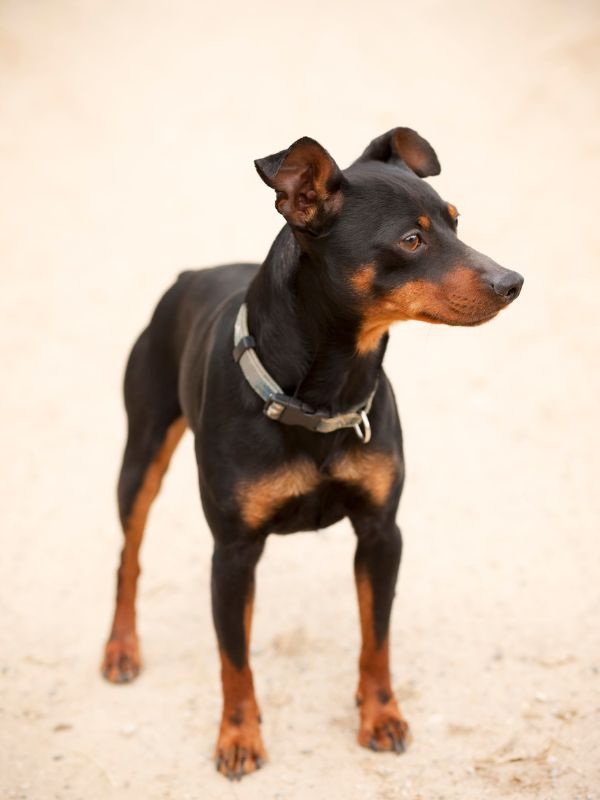
Getting your first dog is a big, exciting step, and choosing an easy-going, trainable breed makes the learning curve far gentler. Some dogs forgive a beginner’s mistakes; others need experience you don’t have yet. Here are the breeds that tend to suit first-timers, and how to choose well. (Cat person? See our guide to the best cat breeds for first-time owners.)
What makes a good first dog?
- Trainable and eager to please, you’ll both be learning.
- A friendly, stable temperament rather than high-strung or fiercely independent.
- Manageable exercise and grooming needs that fit real life.
- Sociable with people and other animals.
Great beginner breeds
- Labrador Retriever, friendly, forgiving and highly trainable. The classic first dog for good reason.
- Golden Retriever, gentle, patient and eager to please.
- Cavalier King Charles Spaniel, affectionate, adaptable and easy to handle; great for smaller homes.
- Poodle (Standard or Miniature), very clever and trainable, and low-shedding.
- Bichon Frise, cheerful, sociable and low-shedding.
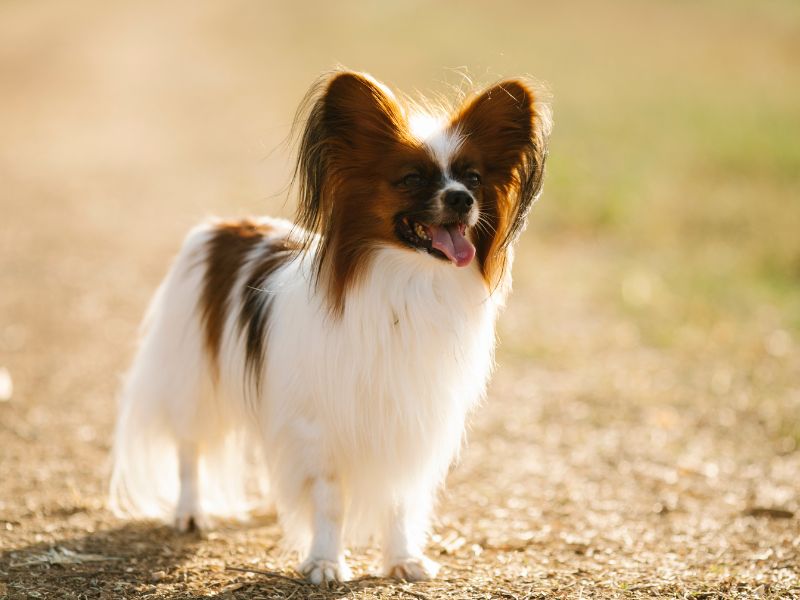
- Papillon, small, bright and surprisingly trainable.
- Pug / French Bulldog, low exercise needs and affectionate (mind heat and breathing).
- Boxer, playful, loyal and good with families (needs exercise).
- Greyhound, astonishingly low-maintenance indoors; a retired racer is a wonderful, gentle first dog.
Breeds to think twice about as a first dog
Wonderful dogs, but a lot to handle for a beginner:
- Border Collie, Australian Shepherd, Belgian Malinois, brilliant but need serious exercise and mental work, or they develop problems.
- Huskies, independent, high-energy escape artists.
- Guardian breeds (Rottweiler, Cane Corso, etc.), powerful dogs that need experienced, confident training.
- High-drive terriers, endless energy and strong instincts.
The rescue option
A rescue dog is often the ideal first dog. Shelters assess each dog’s temperament and can match you with a calm, friendly individual, and an adult dog’s personality is already known (no puppy guesswork). Many are house-trained too. Just be honest with the staff about your experience so they match you well.
Set yourself up to succeed
- Book a puppy or beginner training class, it’s the best money you’ll spend.
- Puppy-proof and prepare before they arrive (see our new puppy checklist).
- Establish routine early, meals, walks, toilet trips and sleep.
- Use reward-based training and keep sessions short and positive.
- Line up a vet for vaccinations, parasite prevention and neutering advice.
The bottom line
The best first dogs are friendly, trainable and forgiving, Labradors, Goldens, Cavaliers and Poodles are classics, and a temperament-matched rescue is often the smartest choice of all. Steer clear of high-drive working and guardian breeds until you’ve got experience, invest in a training class, and you’ll have a wonderful start to life with dogs.
🐾 The Meow Howl newsletter
Vet-backed pet tips, in your inbox
Join fellow dog & cat parents. Practical, vet-led advice and new tools, no spam, unsubscribe anytime.