If you live somewhere hot, the UAE, the Gulf, southern Europe or anywhere with a fierce summer, the breed you choose really matters. Some dogs are built to shed heat; others carry heavy coats or short muzzles that make hot weather genuinely dangerous. Here are the types that tend to cope better, the ones that struggle, and the golden rule that applies to all of them.
Important: no dog is “heatproof.” Every dog here still needs shade, water, air-conditioning and walks in the cool of the day. Breed is only part of the picture. For the health side, see our vet-written guide to keeping your dog cool in Dubai.
What makes a breed better suited to heat?
- A single, short coat that doesn’t trap heat.
- A normal-length muzzle, dogs cool themselves by panting, and flat-faced breeds can’t pant efficiently.
- A lean, moderate build rather than heavy and thick-set.
- Origins in a warm region, so generations of adaptation.
Breeds that tend to handle heat well
- Basenji, a short-coated African breed, compact and famously clean.
- Vizsla, a sleek, single-coated Hungarian gundog that loves activity (in the cooler hours).
- Doberman Pinscher, short coat, lean and athletic.
- Whippet & Greyhound, thin coats and very little body fat; sprinters that are surprisingly happy to laze in the shade.
- Dalmatian, a short, fine coat built for movement.
- Podenco / Pharaoh Hound types, lean, short-haired hounds from hot Mediterranean regions.
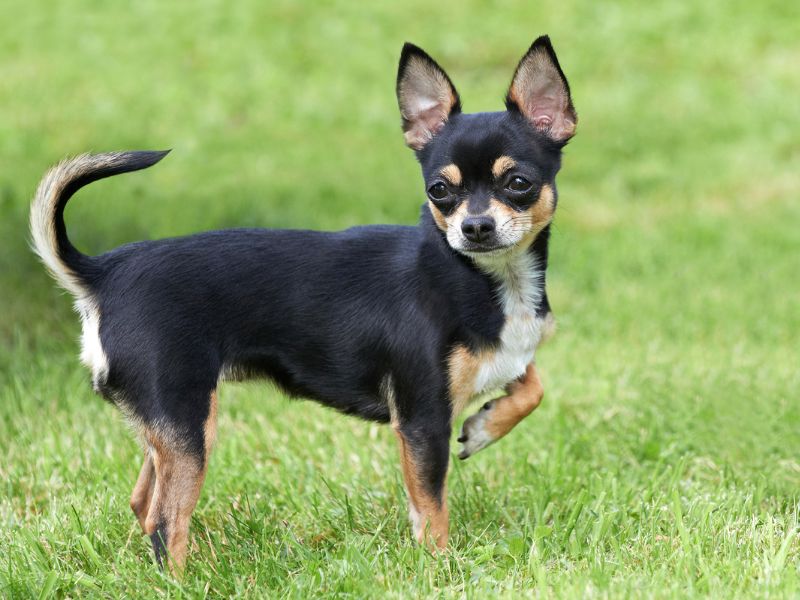
- Chihuahua, tiny and short-coated (the smooth variety), and easy to keep indoors in the heat.
Short-haired mixed-breeds and rescues often do brilliantly too, many street dogs in hot countries are perfectly adapted to the climate.
Breeds that struggle most in the heat
Take extra care with, or think twice about, these in a very hot climate:
- Flat-faced (brachycephalic) breeds: Bulldogs, French Bulldogs, Pugs, Boston Terriers. Their short airways make panting inefficient and overheating far more likely.
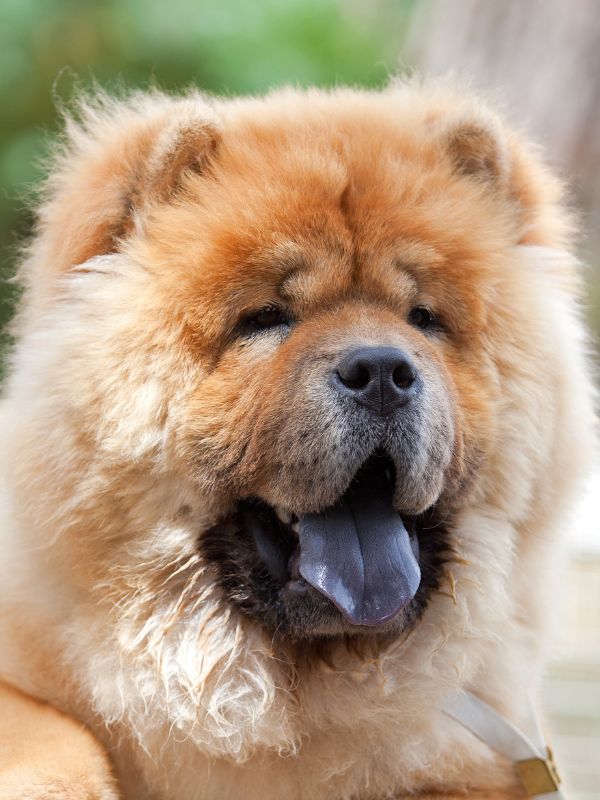
- Thick double-coated breeds: Huskies, Malamutes, Chow Chows, Samoyeds, Newfoundlands, bred for cold, and high-risk in heat.
- Large, heavy breeds and any dog that’s overweight.
If you have your heart set on one of these, it can be done, but only with serious commitment to air-conditioning, indoor exercise and vigilance.
The golden rules for any dog in a hot climate
- Walk early morning or late evening, never in the midday heat.
- Do the pavement test, too hot for your hand for seven seconds, too hot for paws.
- Never leave a dog in a parked car, even briefly.
- Constant access to shade, water and air-conditioning.
- Know the signs of heatstroke (heavy panting, drooling, weakness, bright red gums) and treat them as an emergency.
The bottom line
Lean, short-coated breeds with normal muzzles, think Vizsla, Whippet, Basenji or a well-adapted rescue, are the safest bets for a hot climate. Flat-faced and thick-coated breeds need real caution. But whichever dog you choose, the climate is managed by you: shade, water, cool-hour walks and knowing the warning signs keep every dog safe.
🐾 The Meow Howl newsletter
Vet-backed pet tips, in your inbox
Join fellow dog & cat parents. Practical, vet-led advice and new tools, no spam, unsubscribe anytime.