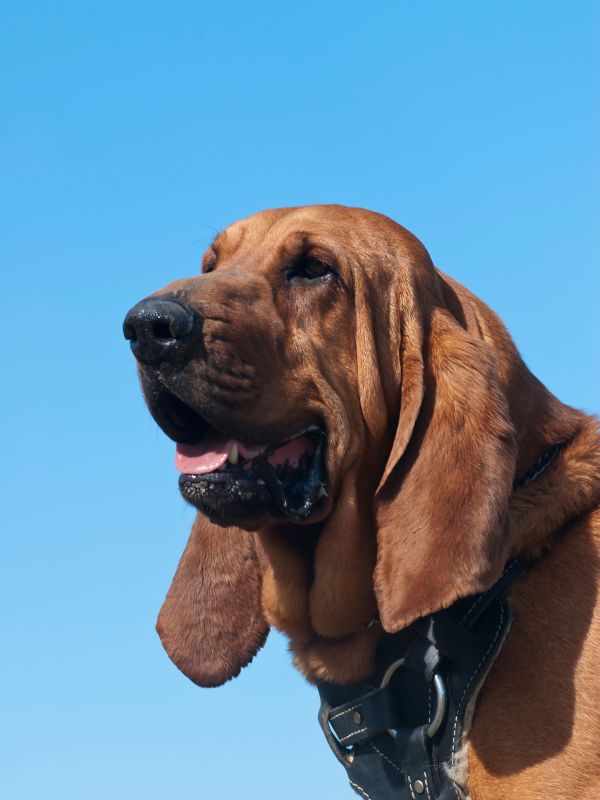

Which cooling gear is worth buying for your dog, and what does each type actually do? This is a selection guide built from published animal welfare and veterinary guidance and research papers. It is not a product test or review: Meow Howl has not tested any cooling product, and this page names no brands or models. It compares the main types of gear, what to check before buying, and the limits of each option.
Start with the most important limit. No cooling product prevents heatstroke on its own. The RSPCA’s hot-weather advice is constant access to shade and fresh water, walks in the early morning or late evening, and never leaving a dog in a car, caravan, conservatory or outbuilding. Gear can make a dog more comfortable on top of those basics. It does not replace them. (For Dubai-specific advice, see our guide to keeping your dog cool in a Dubai summer.)
The main types compared
| Type | How it works | Suits | Watch out for |
|---|---|---|---|
| Pressure-activated gel mat | Gel inside absorbs body heat while the dog lies on it. The American Kennel Club says the gel recharges within a short period once the dog steps off. | Resting indoors or in shade. Dogs that struggle in heat, such as older dogs, flat-faced breeds and double-coated breeds. | A mouthy puppy can tear the cover and chew the gel insert. Needs breaks with the dog off the mat to recharge. |
| Chilled mat or freezable insert | Cooled in a fridge or freezer before use, or filled with water and frozen. | Short rests after a walk. Homes with freezer space. | The cold wears off. Wrap any ice pack in a towel, as the RSPCA suggests. |
| Evaporative vest | Fabric is soaked, wrung out and worn. Water evaporating from it carries heat away. | Active dogs walking or training in warm, drier weather. | Needs re-wetting. Works less well in humid, still air. Must fit without restricting breathing or movement. |
| Pre-chilled pad vest | Rigid pads are cooled in advance and held against the body. | Owners who want a vest that does not need water on the go. | In the one vest study cited here, it made no significant difference to rectal temperature compared with wearing no vest. |
| Cooling bandana | A small evaporative or gel band worn around the neck. | Mild warmth, or dogs that will not tolerate a vest. | Covers only a small area, and none of the sources cited here measure its effect. Take it off when it dries out or the dog is unsupervised. |
| Raised mesh bed | Lifts the dog off the floor and lets air move underneath. | Shaded patios and balconies, or homes where the floor gets hot. | Place it in shade: it does not block the sun. Check the frame suits your dog’s size and weight. |
| Paddling pool or sprinkler | The dog stands, lies or plays in shallow water. | Water-loving dogs with a garden, courtyard or suitable balcony. | Needs supervision. Not every dog likes water. Claws can puncture inflatable pools. |
| Booties | A physical barrier between paw pads and hot ground. | Walks that cannot avoid hot surfaces. | Need a good fit and a gradual introduction. They are not a reason to walk on hot ground. |
The features that matter, and why
How it cools. Gear cools a dog in one of two ways. Contact products (gel mats, chilled mats, water) draw heat into something cooler than the dog. Evaporative products (wet vests, bandanas, a damp coat) rely on water evaporating, which needs reasonably dry air and some air movement. Veterinary researchers describe evaporative cooling as applying air movement while spraying water over the dog, and the RSPCA’s first-aid advice also pairs water with fanning. In humid, still weather, expect evaporative gear to do less, and lean on shade, water and contact cooling instead.
Size and fit. A mat or bed should be big enough for your dog to lie flat and stretched out. A vest should sit snugly around the chest without pressing on the throat or limiting the shoulders. Measure your dog rather than going by breed labels.
Chew resistance. The American Kennel Club notes that a mouthy puppy could tear a plush, cotton-based cooling pad and chew the gel insert. If your dog chews bedding, choose a tougher cover, supervise use, or skip gel products.
How it recharges. Gel mats recharge once the dog gets off them. Frozen inserts need freezer time between uses. Evaporative vests need water, so plan to carry enough for re-wetting the vest as well as for drinking.
Placement. Any mat, bed or pool belongs in the shade. A gel mat or a shallow pool left in full sun warms up and cools your dog less.
Cleaning. Removable, washable covers on mats and beds are easier to keep hygienic. Pools need emptying and rinsing after use so water does not stand and turn dirty.
Free options that work the same way. The RSPCA suggests letting a dog lie on a damp towel or on an ice pack wrapped in a towel, and using frozen toys, paddling pools or sprinklers. A damp towel to lie on costs nothing and is worth trying before you buy a mat.
Checking suitability and safety claims
Product listings for cooling gear often make claims that are hard to check. Treat these with care.
- “Prevents heatstroke.” No product can promise this. Even the American Kennel Club, which says cooling mats can help, adds that they are not a substitute for proper heat safety practices such as hydration and avoiding extreme heat.
- “Lowers body temperature by X degrees.” Ask under what conditions. The peer-reviewed vest study cited in this guide tested 13 healthy military working dogs running for 20 minutes at 27.8 to 31°C and 46 to 53% relative humidity. With an evaporative vest, their mean rectal temperature was about 0.6°C lower than without a vest. The pre-chilled pad vest made no significant difference. That is a small, specific group of trained working dogs in moderate humidity. It says nothing about a particular product, a pet dog resting at home, or a very humid climate.
- “Non-toxic gel.” Meow Howl cannot verify this for any product. Ask the seller what the gel is made of, and keep the packaging so you can show it to a vet if your dog chews into a mat.
- “Stays cool for hours.” How long any mat stays cool depends on the room temperature and how long the dog lies on it. Treat duration figures as manufacturer claims unless the seller explains how they were measured.
- “Suitable for all breeds.” The RSPCA lists flat-faced breeds, thick-coated dogs, puppies, older dogs and dogs with health conditions, especially breathing conditions, as more at risk of heatstroke. For these dogs, gear is a small extra, and your vet’s advice on exercise in hot weather matters more.
Safety and limitations
Gear is for comfort, not emergencies. If a dog is overheating, do not rely on a mat, vest or bandana to bring the temperature down. The RSPCA’s rule is to cool first and transport second, and the Veterinary Record sums up the message as “Wet, then vet”. A 2023 UK study of veterinary records found that, of the 341 dogs whose records showed active cooling, only 74 (about one in five) had been cooled before arriving at the practice.
Signs of heatstroke. The RSPCA lists panting, drooling, red gums and tongue, noisy breathing, increased heart rate, weakness and lethargy, confusion or disorientation, vomiting and diarrhoea, muscle spasms, dehydration, seizures and collapse.
What the RSPCA advises if you suspect heatstroke.
- Stop further heating: stop exercise, move your dog out of the heat and into shade.
- Pour any available water that is cooler than the dog over their body, avoiding the head. Focus on the neck, stomach and thighs.
- If available, submerge the body in water that is cooler than the dog, such as a paddling pool.
- Fan your dog to create a breeze.
- Do not lay damp towels over the dog, as this can trap heat.
- Once your dog’s temperature has cooled, take them to the nearest vet in a cooled, well-ventilated vehicle, with air conditioning on or windows open.
- Call ahead so the practice knows it is urgent.
The 2023 study above also notes that wet towels were the most commonly recorded cooling method, even though towel cooling has been shown to be slower than cold-water immersion in humans.
Hot ground. The RSPCA says that if the ground is too hot to touch with your hand for five seconds, it is too hot for paws. Treat this as a rough warning about the ground, not proof that a walk is safe. A dog can still overheat from the warm air and the exercise itself. PDSA says most cases of heatstroke in dogs happen during exercise, and the Royal Veterinary College notes that exercising too much in warm weather, or being left somewhere warm or humid with poor ventilation, can make an animal overheat quickly. Booties reduce contact with hot surfaces, but they do not change the RSPCA’s advice to go out in the early morning or late evening when it is cooler, and not to run or cycle with your dog when it is hot.
Sun. The RSPCA suggests pet-safe sunscreen on exposed skin such as the tips of the ears and the nose. Use a product made for pets.
Water play. Supervise every session in a pool or sprinkler. The RSPCA reminds owners that not all dogs like water and that no dog should be forced in. Keep pools in the shade, and on a balcony check the weight of a filled pool with your building first: each litre of water weighs about a kilogram. For swimming rather than paddling, see our dog pool safety guide.
Coats. The RSPCA notes that regular grooming in warm weather brushes away dead and excess hair, matted hair and knots, leaving a less dense coat.
When to talk to a professional
- Vet, urgently: any sign of heatstroke. Start cooling with water, then travel, calling ahead.
- Vet, before summer: if your dog is a flat-faced breed, thick-coated, a puppy or older, or has a health condition, especially one affecting breathing. Ask how much exercise is safe in hot weather and whether any cooling product suits them.
- Vet, promptly: if your dog chews into a cooling mat and swallows gel or pieces of cover, or if paw pads look red, blistered or sore after a walk. Take the product packaging with you.
- Groomer: for help keeping a thick or double coat free of dead hair and mats before the hot months. Ask before clipping a coat short.
- Trainer: if your dog resists wearing a vest or booties, or is nervous of water, a gradual, reward-based introduction can help.
Before you buy
- Shade, fresh water and cooler walk times are already in place.
- You know the signs of heatstroke and the RSPCA first-aid steps, and your vet’s number is saved.
- You have measured your dog lying flat (for mats and beds) or around the chest (for vests).
- You know whether your dog chews bedding, and have chosen covers or supervision to match.
- You have thought about your climate: in humid weather, favour shade, water and contact cooling over evaporative gear.
- You know where the item will go, and that spot is shaded.
- You know how it recharges (freezer, rest time or water) and how you will re-wet it on walks.
- Covers are washable, or a pool is easy to empty.
- You have asked the seller about gel materials and any temperature or duration claims.
If you want to browse after working through the list, these are plain retailer searches, not recommendations: Search dog cooling mats on Amazon, Search dog cooling vests on Amazon, Search raised dog beds on Amazon, Search dog paddling pools on Amazon, Search dog booties on Amazon.
Sources
- Heatstroke in dogs, RSPCA (accessed 5 October 2026)
- Caring for your dog in hot weather, RSPCA (accessed 5 October 2026)
- Heatstroke in dogs, PDSA (accessed 6 October 2026)
- Heatstroke in dogs and cats, Royal Veterinary College (accessed 6 October 2026)
- Dying of heat? Remember: wet, then vet, Veterinary Record (2026), via PubMed Central (accessed 5 October 2026)
- Cooling Methods Used to Manage Heat-Related Illness in Dogs Presented to Primary Care Veterinary Practices during 2016-2018 in the UK, Veterinary Sciences (Hall et al., 2023), via PubMed Central (accessed 5 October 2026)
- Clinical Evaluation of Exercise-Induced Physiological Changes in Military Working Dogs (MWDs) Resulting from the Use or Non-Use of Cooling Vests during Training in Moderately Hot Environments, Animals (Benito, Lozano and Miró, 2022), via PubMed Central (accessed 5 October 2026)
- Everything to Know About Cooling Mats for Dogs, American Kennel Club (accessed 5 October 2026)
This article is general information, not a substitute for advice from your own veterinarian. If you are worried about your pet, please contact your vet.
🐾 The Meow Howl newsletter
New pet care guides, in your inbox
Join fellow dog & cat parents. We'll let you know when we publish new guides and tools. No spam.