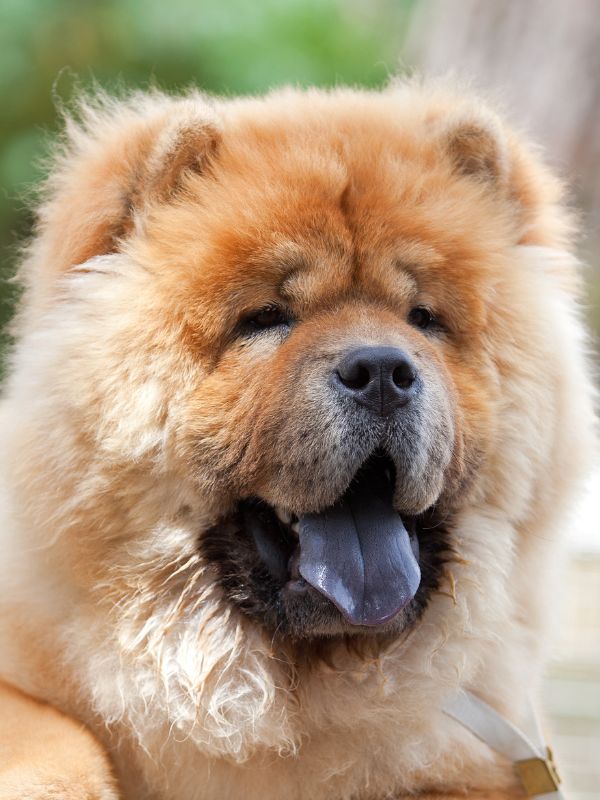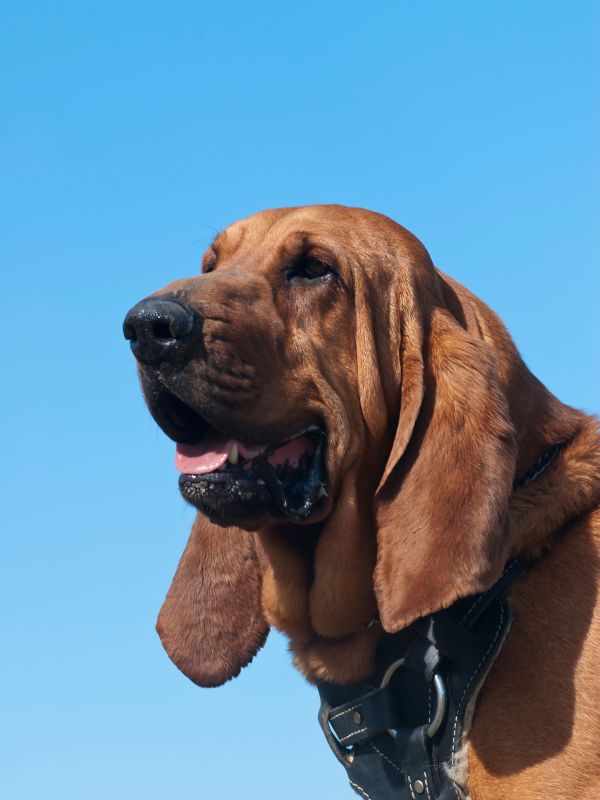
When summer arrives and the temperature starts to rise, everyone looks for a way to stay cool, even your dog! There are many fun ways to escape the heat with your pup in Dubai in the summer months, from watery games to icy treats and cool clothes. Summer can be full of adventures, but if you are not careful, the heat can quickly become hazardous for your furry friend. Being able to recognise the common dangers of hot weather will ensure your pet has a great summer ahead. Read on to learn more, and help your pup beat the heat with our tips for keeping your dog cool in Dubai in the summer months.
Fun ways to keep your dog cool
Water play
Swimming is a great way to cool off when the temperature soars. There are many creative ways to encourage swimming at home. Hoses and sprinklers can be turned into a fun game in the backyard, and doggy water fountains can bring joy to smaller apartments. Children’s paddling pools provide a great place to swim for dogs and come in a variety of sizes to fit in small backyards, courtyards or balconies.
Frozen treats
Who doesn’t love a frozen treat in the summertime? A fun way to keep your dog busy, cool and hydrated at the same time is to provide them with frozen treats. Ice cubes are a good place to start, but the trays also make a great mould to create a variety of doggy-flavoured ice blocks. Another trick is to put their favourite toy in the freezer or add ice cubes to their water bowl.
Hang out in the shade
Playtime doesn’t have to stop when the mercury soars, but seeking shade will help keep your pup happy and healthy. Stay indoors at home, or head out for a puppuccino in a cool café.
Get a fresh haircut
This will depend on the type of coat your dog has. Some dogs with heavy or long coats may need extra special attention in summer and be more comfortable in the hotter months after a clip. Other breeds, such as those with double coats, should not be clipped at all. If you are in doubt, ask your friendly veterinarian or groomer for advice on your dog’s coat.
Cool clothes
If your dog feels the heat, consider getting them a stylish summer outfit designed to keep them cool and comfortable. Cooling vests, jackets and bandanas can be worn to help keep your pup comfortable while out and about. Consider getting your dog some slip-on booties that will protect their feet from hot surfaces while out on their walk. Although cooling clothes can assist in keeping your dog comfortable, they are no substitute for avoiding the heat of the day. Make sure your dog is always supervised when wearing clothes.
The dangerous side of summer
It is important to be aware of the effects that rising temperatures can have on our dogs, as they are very sensitive to hot and humid weather. Knowing what to look for will ensure your dog stays safe and has a summer full of fun.
Heatstroke
The most important summertime danger to be aware of is heatstroke. When it’s hot outside, you will notice that your dog may pant more than usual. Dogs can’t sweat as humans do. They rely on panting to help regulate their body temperature and will do this for a short while after exercising or if excited. In very hot conditions, dogs can become overheated and dehydrated easily, leading to heatstroke. Some situations can make this more likely, such as being confined to hot cars or backyards without shade. Exercising in the middle of the day, even for a short walk, can also be deleterious.
Although all dogs can develop heatstroke, some are more at risk, including:
- Brachycephalic breeds such as Bulldogs, Boston Terriers and Pugs, which all need extra special care during the hotter months
- Larger breeds and those who are overweight
- Older pets and those with illness
- Dogs with thick, double coats
- Very energetic breeds who may not rest, such as kelpies or collies
Heatstroke can be fatal. Make sure you know the signs so that you can get help for your dog quickly.
Burns
On very hot days, the pavement can quickly heat up to scorching temperatures. This can result in bad burns to the pads and skin on your pup’s paws. Pavement is not the only culprit, with artificial grass and sand also retaining extraordinary amounts of heat. Check the temperature of the surface with your own feet or hands. If it’s too hot for you, it’s too hot for your dog.
Editor’s note (Meow Howl, October 2026): Use the back of your hand. The Royal Kennel Club says to place the back of your hand on the pavement for seven seconds, and that if it is too painful for your hand, it is too painful for your dog’s paws. Treat the hand test as a rough warning only. A surface that feels bearable to your hand is not proof that a walk is safe. The Royal Kennel Club also says the most common cause of heatstroke in dogs is exercise, and that walking your dog on a warm day can be dangerous, depending on how hot it is and how well your dog copes. It advises walking your dog in the early morning or evening and avoiding the midday sun (Walking your dog on warm days).
Dehydration
As we learned earlier, exercising in the summertime can lead to dehydration and heatstroke. Always remember to provide lots of water at home and out on adventures. A collapsible, portable water bowl will fit into your bag, making it easy to provide water during your outing. In summer it is best to avoid exercise in the middle of the day. Instead, choose early mornings or late evenings to take your furry loved one out for a walk.
Helping your dog beat the heat
There are many great ways to escape the Dubai heat and help your furry friend stay cool during the hot summer months. It is important to know the common dangers that hot weather can bring to help you plan safe and fun summer outings with your dog. Water play, icy treats and seeking shady activities will help keep your pup cool and comfortable all summer long.
Further reading
Links added by the Meow Howl team for further reading. They were not chosen by the author.
- Heatstroke in dogs, RSPCA (accessed 5 October 2026)
- Hot pavements, The Royal Kennel Club (accessed 5 October 2026)
- Walking your dog on warm days, The Royal Kennel Club (accessed 6 October 2026)
This article is general information, not a substitute for advice from your own veterinarian. If you are worried about your pet, please contact your vet.

🐾 The Meow Howl newsletter
New pet care guides, in your inbox
Join fellow dog & cat parents. We'll let you know when we publish new guides and tools. No spam.