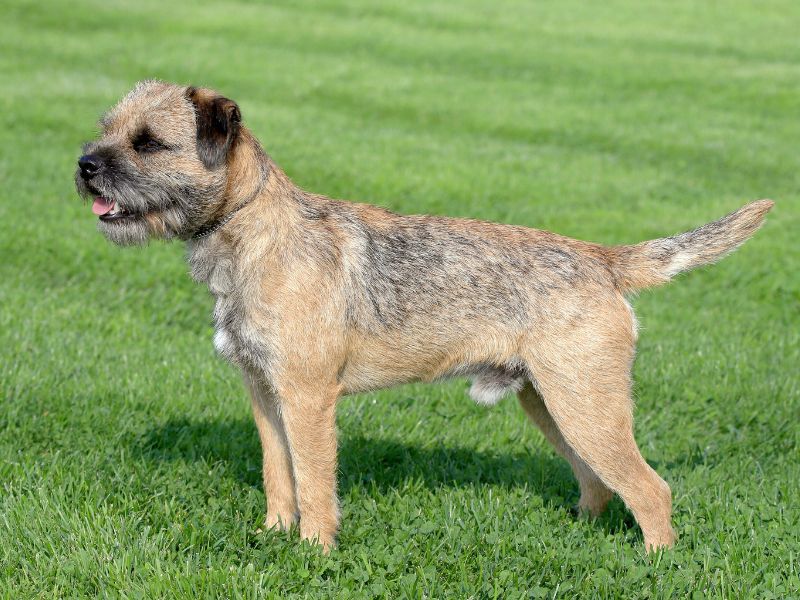

Being a pet parent is fun and rewarding, but when your pal isn’t behaving normally it can be worrying and hard to know what to do. Vomiting bile is one of the more common things you may have to cope with. Will they be OK? Was it something I gave them? Should I rush to the vet? Here’s what it means when a dog vomits bile, and what to do.
What is bile?
Bile is a concentrated, yellow, slimy liquid produced in the liver. It does two jobs: eliminating waste, and helping digest fats. It’s stored in the gallbladder and secreted into the small intestine. By the time it reaches your kitchen floor it often looks watery and frothy, mixed with stomach acid and saliva.
What causes bile vomiting in dogs?
- Dietary indiscretion, a catch-all for eating something that didn’t agree with them: scraps off the floor, a new food, a medication, or even a flea/worming product. Effects range from mild to severe.
- Bilious Vomiting Syndrome (BVS), dogs most often vomit frothy bile first thing in the morning but are otherwise happy and well. It’s thought these dogs don’t cope with long gaps between meals, allowing irritant bile to back up into an empty stomach. Smaller, more frequent meals (e.g. a small bedtime meal) usually help, without feeding more overall, which just causes weight gain.
- Physical obstruction, one of the most serious causes. Something stuck in the stomach or gut (bone, grass, a toy, bedding). Dogs often vomit food first, then bile once empty, with reduced appetite and difficulty passing stools.
- Digestive-system disease, conditions like pancreatitis or liver disease; usually need blood tests and ultrasound to diagnose.
- Non-digestive disease, rarely, bile vomiting can signal something broader like cancer or sepsis. These are much rarer and bile vomiting is unlikely to be the only or first sign.
Can I treat my dog at home?
If your dog is otherwise bright and happy and has vomited a small amount of bile once only, home care may be possible: keep fresh water available but withhold food for 6-12 hours, then offer a small portion of skinless, boneless boiled chicken and boiled rice. If no further signs occur, gradually reintroduce their normal diet. This is only advisable for otherwise healthy adult dogs.
Should I take my dog to the vet?
The answer is nearly always yes, unless it was a single vomit as above with no other change. Seek veterinary attention immediately if your dog is:
- bloated
- known to have eaten something they shouldn’t
- shaking
- painful or yelping
- refusing all food and water
- very young or very old
- being treated for another health condition
If in any doubt, ring a vet for advice and let them triage over the phone.
Conclusion
Vomiting bile is a symptom, not a diagnosis, and it’s not a normal part of digestion. In nearly all cases it’s important to find out why it happened, to treat the cause and stop it getting worse. Even when the cause is benign, it’s unpleasant for your dog, and keeping our furry friends happy is what we’re here for.

🐾 The Meow Howl newsletter
Vet-backed pet tips, in your inbox
Join fellow dog & cat parents. Practical, vet-led advice and new tools, no spam, unsubscribe anytime.