
Meow Howl may earn a small commission from links in this article, at no cost to you. We only suggest products we’d consider for our own pets.
Whether it’s a vet trip, a flight or a move, the right carrier makes travel calmer for everyone. The wrong one makes it a battle. Here’s how to choose, plus the trick to a pet that walks into the carrier willingly.
Hard vs soft carriers
Hard-shell carriers
Sturdy, protective and easy to clean, ideal for the car and vet visits. The best ones open from the top as well as the front, which is a game-changer for lifting out a reluctant cat.
👉 Browse hard cat/dog carriers
Soft-sided carriers
Lighter, more flexible and usually airline cabin-friendly for small pets. Look for sturdy mesh panels, a firm base and secure zips (some cats are escape artists).
👉 Browse soft-sided pet carriers
Backpack carriers
Popular for small pets on public transport or hikes, hands-free and often with ventilation windows. Make sure there’s enough airflow and your pet has room to sit and turn.
👉 Browse pet carrier backpacks
Flying? Check these first
- Airline rules vary, always confirm your specific airline’s cabin carrier dimensions and pet policy before buying and before you fly.
- Look for a carrier marketed as airline-approved / under-seat, but still measure against your airline’s stated limits.
- Book the pet on early, cabins have limited pet spots.
What to look for
- The right size: your pet should be able to stand, turn and lie down. Not so big they slide around in the car.
- Top-loading access for cats, far less stressful than dragging them out the front.
- Good ventilation on multiple sides.
- Secure, lockable zips or latches.
- A washable, padded base (or room for a familiar blanket).
- Seatbelt loops for car safety.
The secret: make the carrier a happy place
Most carrier drama comes from only appearing before vet visits. Fix it:
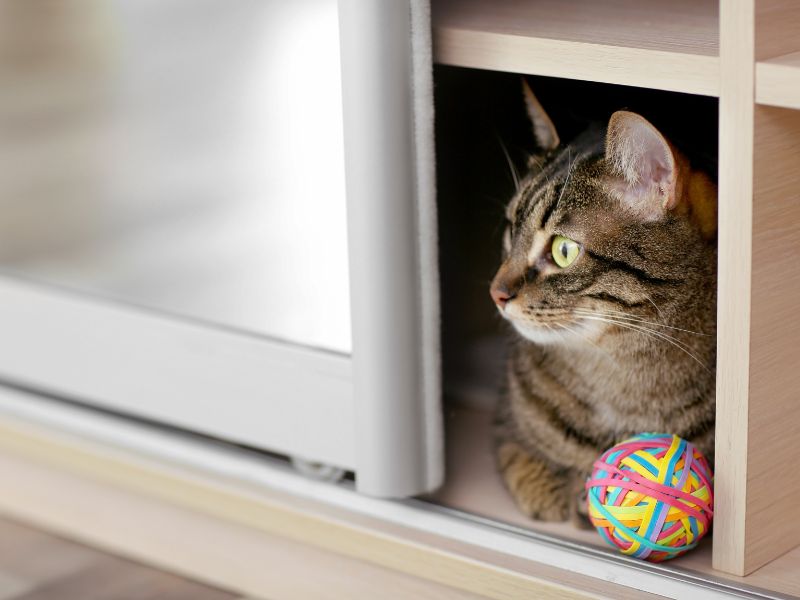
- Leave the carrier out at home, open, all the time, not just on vet day.
- Pop treats, a favourite blanket and toys inside so your pet explores it freely.
- Feed the occasional meal near or in it.
- Do short practice trips that don’t end at the vet.
Do this for a couple of weeks and the carrier becomes a familiar den, not a trap.
The bottom line
For cats and small dogs, a top-loading hard carrier is the calmest choice for vet and car trips, while a soft airline-approved carrier is best for flying (check your airline’s exact limits first). Whatever you pick, leave it out and make it cosy long before travel day, that single habit turns carrier chaos into a non-event.
🐾 The Meow Howl newsletter
Vet-backed pet tips, in your inbox
Join fellow dog & cat parents. Practical, vet-led advice and new tools, no spam, unsubscribe anytime.